How Modern Speed is Diluting Our Nutrition
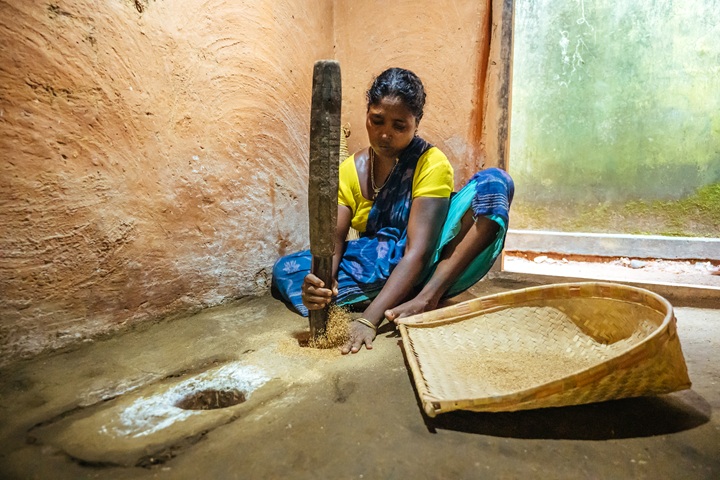
In the global push to rebrand millets as “superfoods,” we overlook a critical truth: a grain is only as good as its processing.
Recent observations from Millet Mission field trainings reveal a worrying trend. As we prioritise “instant” convenience, we are abandoning the traditional post-harvest methods that once turned these hardy grains into nutritional powerhouses.
The Vanishing “Popping” Master (bhadbhunja)
Traditionally, processing was a communal ritual. Villages often had a dedicated expert responsible for the popping, puffing, and roasting of fresh harvests. These sprouted and popped grains weren't just snacks. They were the foundation for ready-to-eat, nutrient-dense foods like ladoos, namkeens, etc. Today, this specialised community role has nearly disappeared, leaving a gap between the farm and the kitchen.
The Missing Sprout in Malting
Malting was once the “gold standard” for household nutrition, particularly for the most vulnerable.
The Traditional Way: A meticulous cycle of sprouting, sun-drying, roasting, and grinding. This process breaks down complex starches and neutralizes anti-nutrients, making the flour a perfect "first food" for infants, the soft and easily digestive food for the older generation, and a recovery drink for farmers.
The Modern Shortcut: Most commercial "malt" flours today skip the sprouting stage entirely to save time. The result? A product that is harder to digest and significantly lower in bioavailable minerals.
The Fermentation Gap
Perhaps the greatest loss to our gut health is the omission of fermentation. This ancient technique was designed to enhance the micronutrient profile of the grain. By skipping this step in favour of quick cooking, we lose the probiotic benefits that historically fortified the immune systems of rural communities.
The Cost of Convenience
The shift to “quick and easy” has come at a steep price. By stripping away these time-intensive traditional methods, we aren't just losing culture—we are losing the micro-nutrients essential for immunity. If millets are to truly save our health, we must return to the processing wisdom that makes them “super.”
It is troubling that traditional knowledge and methods are often dismissed as drudgery—slow and time-consuming—when in fact these processes strengthen the grains.
Bringing this knowledge in the forefront is of utmost importance.
PICS Courtesy: WASSAN/Shree Anna Abhiyan Odisha