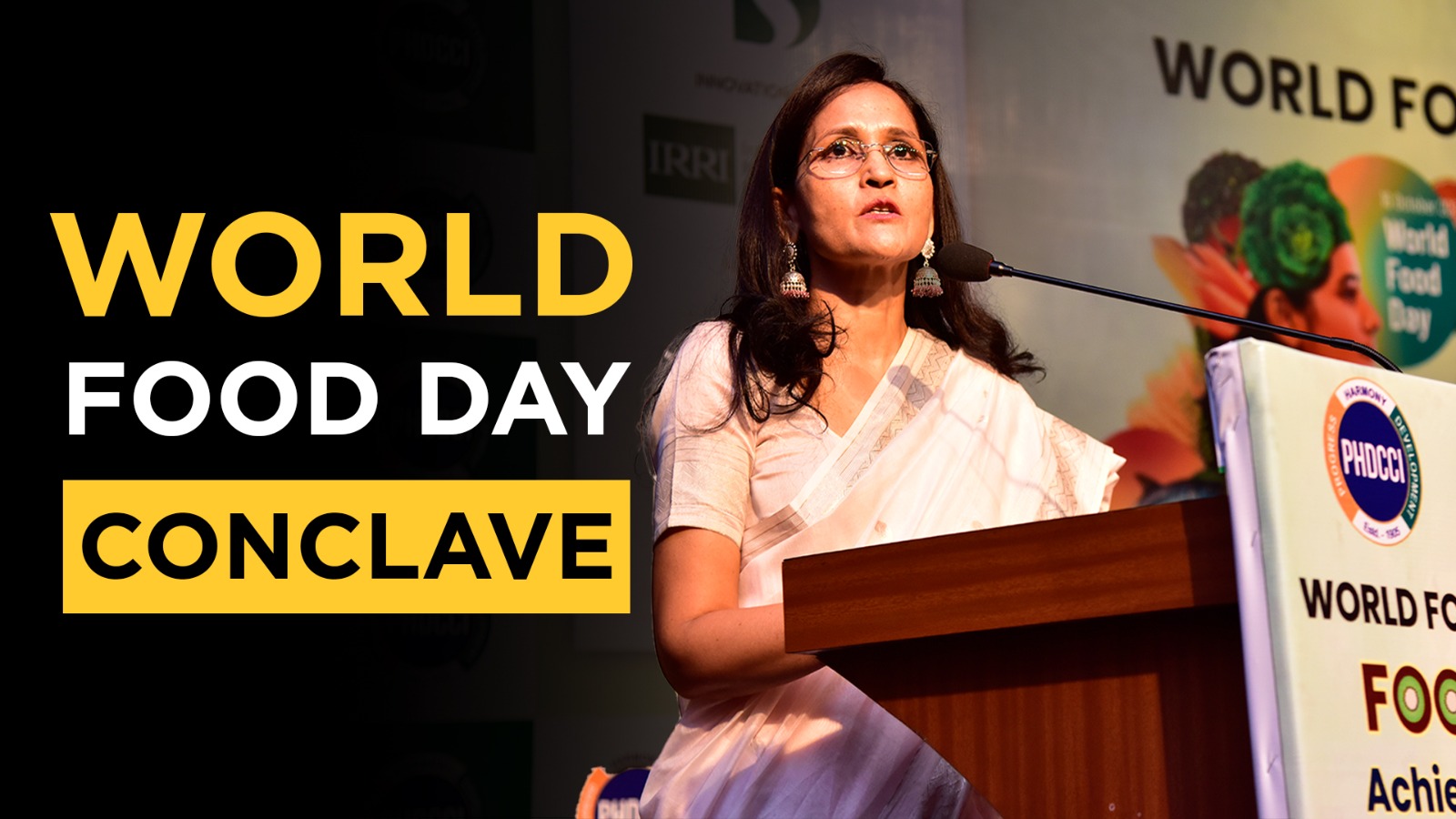
Diets and Consumption – Building Food Literacy for a Healthier Future
"The goal of this Action Lab is to drive the demand for nutritious food — and our primary target audience is children."
— Archana Sinha, CEO & Co-founder, Nourishing Schools Foundation; Facilitator, Action Lab 1
When it comes to transforming food systems, the journey begins much closer to home than we think—on our plates, in our kitchens, and in our classrooms. What we eat is deeply tied to how we learn about food. The habits and choices children make today will shape not only their health but also the health of entire communities and ecosystems tomorrow.
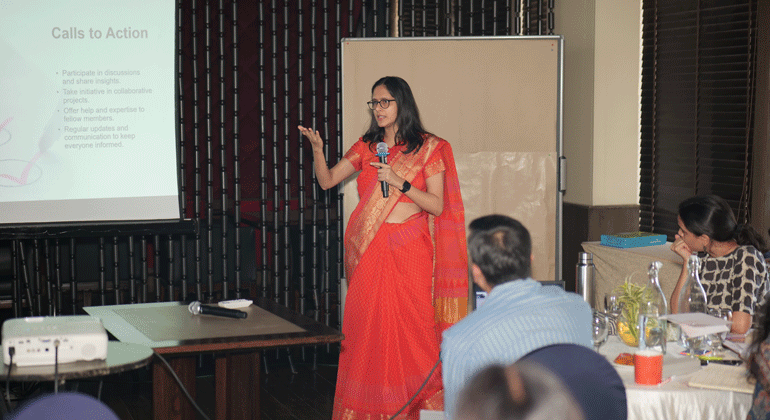
That belief is at the heart of Action Lab 1 on Diets and Consumption. Led by Archana Sinha, this Lab focuses on how to instill healthier diets and food choices in children and adolescents—so they can become champions of change in a country where both undernutrition and obesity coexist.
Why Start with Children?
Children are the foundation of tomorrow’s food systems. There are two reasons why Action Lab 1 focuses so strongly on them.
First, the early years of life are critical for nutrition. Without adequate nutrients, children cannot reach their full physical or cognitive potential.
Second, the pre-adolescent and adolescent years are formative for building habits. These are the years when food preferences, lifestyle patterns, and even relationships with food begin to solidify. As Archana explains, “By reaching out to them, we can help them become agents of change in our larger goal of transforming food systems.”
Children, in other words, are not just beneficiaries of better diets. They are also powerful influencers of their families and peers, carrying forward healthier habits into adulthood.
Food Literacy: Beyond Nutrition Education
Food Literacy: Beyond Nutrition Education
Food literacy goes beyond teaching children the technicalities of nutrients and calories. It’s about building a holistic understanding of food—the way it grows, the way it nourishes, the way it connects to culture, health, and even the planet.
As Archana notes, today’s children live in a world of an “infodemic”—an overload of confusing and often contradictory information from social media, advertisements, and online content. Food literacy empowers them with the skills to navigate this noise and make the right choices.
That includes:
- Learning a nutrition language that transcends dialects and can be conveyed through simple symbols, images, and concepts.
- Understanding food labels so children can identify hidden sugars, fats, and unhealthy ingredients.
- Developing an appreciation for local, seasonal, and diverse foods that build healthier diets and protect biodiversity.
Food literacy, in this sense, is about shaping a positive relationship with food, teaching children not just what to eat, but also why and how.
The Power of a Curriculum
To translate this vision into action, the Action Lab has designed a school curriculum on food literacy, created with input from dieticians, nutritionists, academicians, and curriculum developers.
This curriculum was piloted in 20 schools in Jaipur, Rajasthan. The results were encouraging:
- Fewer children were undernourished.
- Students ate more fruits and vegetables.
- Hygiene practices improved, such as handwashing with soap.
But the learnings went beyond outcomes. The pilot highlighted the importance of making the content engaging and hands-on. Dry lessons wouldn’t work. Children needed interactive activities, fun games, and practical demonstrations to internalize healthier habits.
The team also realized the curriculum had to fill gaps in existing education systems. They mapped nutrition content across national and state curricula, identified missing areas, and updated their material accordingly.
Now, the goal is to scale up adoption by working with state governments, embedding food literacy as a core part of school education.
Lessons from Japan: The Shoku-iku Model
In shaping this curriculum, the team draws inspiration from Japan’s Shoku-iku model. Shoku-iku, meaning “food education”, is a national policy in Japan that integrates food learning into schools from an early age.
Children are taught not only the science of nutrition but also:
- The cultural value of food.
- The importance of seasonal and local produce.
- Mindful eating habits.
- The role of food in community and sustainability.
By engaging children in this holistic way, Japan has become one of the healthiest nations in the world. Action Lab 1 hopes to adapt similar principles for the Indian context, ensuring that food literacy goes beyond textbooks and becomes a lived experience for children.
Complementary Feeding: Educating Parents Through Youth
The second focus of this Action Lab is complementary feeding—the phase when infants move from breastfeeding to solid foods. This stage is critical, but many parents lack accurate knowledge about how to manage it.
To bridge this gap, Action Lab 1 is creating an online complementary feeding course for college students in nutrition-related fields. Once trained, these students will become certified complementary feeding educators.
They will then work with hospitals, Anganwadis, and healthcare centres to guide parents, ensuring children get the best possible start in life.
This model has a ripple effect: it strengthens youth capacity, equips parents with practical tools, and directly addresses a crucial stage in child nutrition.
India at a Crossroads
India is at a unique moment of transition. On one side, we face persistent undernutrition. On the other hand, overnutrition and obesity are rising sharply among children. Diseases like diabetes and hypertension, once considered “adult” illnesses, are now being seen in school-aged children.
This dual burden makes food literacy even more urgent. As Archana emphasizes, “There is no drug that can reverse diabetes or hypertension. But the right choices of food can prevent the onslaught of these diseases.”
The recently published Dietary Guidelines for Indians, 2024, reinforces this urgency. For the first time, it clearly defines ultra-processed foods and high-fat, high-salt, high-sugar diets as harmful. It also recommends diversifying diets to include at least 4–5 food groups daily, encouraging more protein and less hidden sugar.
These guidelines underscore why school-based interventions are critical. By embedding food literacy into education systems, India can raise a generation better prepared to face the health challenges of the 21st century.
Working Together for Systems Change
Archana believes that while Action Lab 1 has ambitious goals, it cannot work in isolation. Transforming food systems requires collaboration across different Action Labs—for example, aligning with agroecology to promote local and indigenous foods, or with sustainability initiatives to reduce food waste.
“Something as vast as a food system cannot be transformed by working in just one vertical or in silos,” she says. “That is why we are ensuring that we work in a coordinated manner with the other Action Labs.”
This spirit of collective effort defines CoFTI: experts and practitioners coming together to contribute, learn, and build on each other’s work.
Building Habits, Building Futures
At its heart, Action Lab 1 is about more than curriculum design or complementary feeding. It is about habit formation, helping children and parents build small, everyday practices that add up to lifelong health.
By making nutrition engaging, by empowering parents with knowledge, and by reviving respect for local and seasonal foods, Action Lab 1 is setting the stage for generational change.
Because when children learn to eat well, not just for themselves, but for their families, communities, and the planet – they don’t just grow up healthier. They help grow the future of sustainable food systems.